
Financial assistance for getting out of debt

Debt can be a burden for many individuals and families. It can be stressful and overwhelming, especially when you are struggling to make ends meet and pay off your debts. If you are struggling with debt, there are a few options you can consider to get financial assistance and get back on track.

  1. Credit counseling: Credit counseling is a service offered by non-profit organizations that can help you better understand and manage your debts. A credit counselor can work with you to create a budget, negotiate with your creditors to lower your interest rates, and come up with a plan to pay off your debts. Credit counseling is often free or low-cost, and it can be a great resource for those struggling with debt.
  2. Debt consolidation: Debt consolidation is a process where you take out a new loan to pay off multiple smaller debts, such as credit card balances or personal loans. By consolidating your debts into one loan, you can often get a lower interest rate and make one monthly payment instead of multiple payments. This can make it easier to manage your debts and pay them off faster.
  3. Debt settlement: Debt settlement is a process where you negotiate with your creditors to pay off your debts for less than what you owe. This can be a good option if you are unable to make your minimum monthly payments and are at risk of defaulting on your loans. However, it’s important to be aware that debt settlement can have a negative impact on your credit score, and it may not be the best option for everyone.
  4. Bankruptcy: Bankruptcy is a legal process that allows individuals and businesses to get relief from their debts. There are several types of bankruptcy, including Chapter 7 and Chapter 13, and each has its own eligibility requirements and consequences. Bankruptcy can be a drastic measure, and it should only be considered as a last resort.

If you are struggling with debt and are looking for financial assistance, it’s important to do your research and understand your options. Credit counseling, debt consolidation, debt settlement, and bankruptcy are all potential options for getting out of debt, but each has its own pros and cons. It’s a good idea to speak with a financial advisor or a bankruptcy attorney to determine the best course of action for your specific situation.

Views: 45

Posted in Financial help, Get Out of Debt, Re-Financing | Tagged , , , , , , , , , , , , , , | Leave a comment

Fine waivers, fine reductions, and financial hardship

If you have received a parking fine or other citation and are unable to pay it, you may be able to request a fine waiver or reduction, or seek other payment arrangements. These options can help you avoid negative consequences such as additional penalties and fees, as well as legal action from debt collectors.

Fine waivers and reductions are typically granted in cases of financial hardship or extenuating circumstances. Financial hardship refers to a lack of financial resources or ability to pay the fine, while extenuating circumstances refer to unusual or unexpected circumstances that prevented you from paying the fine on time.

To request a fine waiver or reduction, you will typically need to provide documentation to support your claim. This may include proof of income, bills and expenses, and any other relevant financial information. You may also need to provide a written explanation of your circumstances and why you are unable to pay the fine.

If your request for a fine waiver or reduction is approved, you may be able to have the fine completely waived or reduced to a lower amount. However, it is important to note that these options are not always available, and the decision to grant a waiver or reduction is at the discretion of the local authority or court.

If you are unable to request a fine waiver or reduction, or if your request is denied, you may still be able to seek alternative payment arrangements. This could include a payment plan, where you agree to pay the fine in installments over a period of time. Payment plans are typically only available if you can demonstrate financial hardship or if there are extenuating circumstances that prevent you from paying the fine in full.

In summary, fine waivers and reductions, as well as alternative payment arrangements, can help you avoid negative consequences and legal action from debt collectors if you are unable to pay a fine. To request a waiver or reduction, you will typically need to provide documentation and a written explanation of your circumstances. Payment plans may also be available if you can demonstrate financial hardship or extenuating circumstances.

Views: 31

Posted in Fine reductions | Tagged , , , , , , , , , | Leave a comment

Parking fines, overdue parking fines, and debt collectors

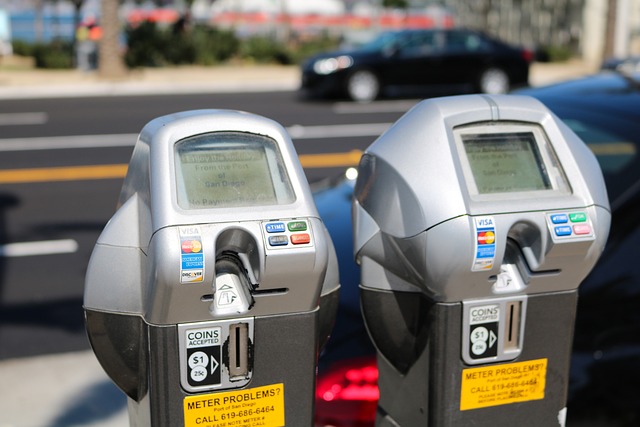
Parking fines, also known as parking tickets or parking citations, are issued to drivers who violate parking rules and regulations. These fines are typically issued by local authorities, such as cities or municipalities, and are designed to encourage compliance with parking laws and to deter people from illegally parking in designated areas.

If you receive a parking fine, you are usually required to pay it within a certain timeframe, typically within 30 days of the citation being issued. If you do not pay the fine within this timeframe, it may become overdue.

Overdue parking fines can lead to additional penalties and fees, as well as negative consequences on your driving record. In some cases, local authorities may choose to escalate the matter by sending the fine to a debt collection agency. Debt collectors are companies that are hired by the local authority to pursue unpaid debts, including parking fines.

If a debt collector is called in to collect an overdue parking fine, they will typically contact you by phone, email, or mail to request payment. They may also visit your home or place of work to speak with you in person. If you do not pay the fine or make arrangements to pay it off, the debt collector may take legal action against you, such as garnishing your wages or placing a lien on your property.

It is important to pay your parking fines on time to avoid these negative consequences. If you are unable to pay the fine, you may be able to request a payment plan or ask for the fine to be waived or reduced. However, these options are typically only available if you can demonstrate financial hardship or if there are extenuating circumstances that prevented you from paying the fine on time. In summary, parking fines are issued to drivers who violate parking rules and regulations. If you do not pay the fine within the required timeframe, it may become overdue and a debt collector may be called in to collect the debt. To avoid additional penalties and legal action, it is important to pay your parking fines on time or seek alternative arrangements if you are unable to do so.

Views: 46

Posted in Parking Fines | Tagged , , , , , , , , , , , , , , , , , , , | Leave a comment

Get expert help with your debt consolidation options

Debt consolidation is a financial strategy that involves taking out a new loan to pay off multiple smaller debts. The goal is to simplify debt repayment by combining multiple payments into one, often with a lower interest rate or more favorable terms.

Here is how debt consolidation works:

Gather information about your current debts. This includes the amount owed, the interest rate, and the minimum monthly payment for each debt.

Shop around for a debt consolidation loan that offers a lower interest rate than your current debts. This will help you save money on interest and make your monthly payments more manageable.

Apply for the loan and, if approved, use the funds to pay off your outstanding debts. This may involve writing a check or transferring money electronically to each creditor.

Once all of your debts are paid off, you will be left with just one loan to repay: the debt consolidation loan. This loan will have a single monthly payment, and it will be up to you to make sure that payment is made on time.

As you make payments on your debt consolidation loan, keep track of how much you owe and how much you have paid off. This will help you stay on track and ensure that you are making progress towards paying off your debt.

Debt consolidation can be a useful tool for managing and reducing your debt, but it is not a magic solution. It is important to carefully consider whether consolidation is right for you, and to choose a lender and loan terms that are suitable for your financial situation.

If you are struggling with high levels of debt, it is a good idea to speak with a financial advisor or credit counselor who can help you evaluate your options and make a plan for paying off your debt. With a little bit of planning and effort, debt consolidation can help you get your finances back on track.

Views: 55

Posted in Get Out of Debt, Re-Financing | Tagged , , , , , | Leave a comment